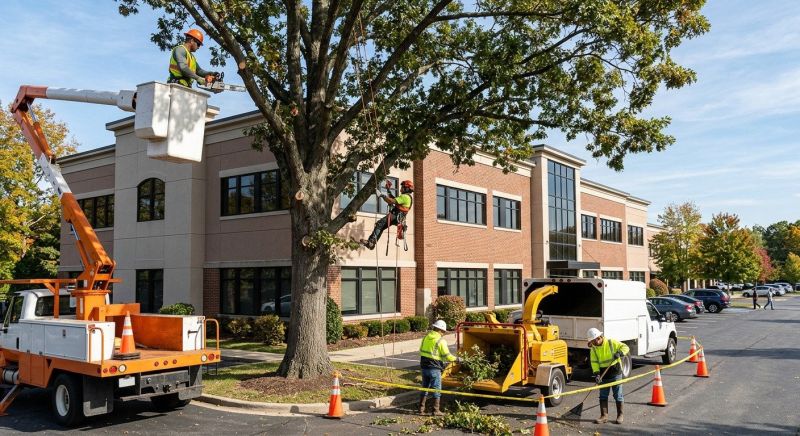
Commercial Tree Trimming in Denver, CO
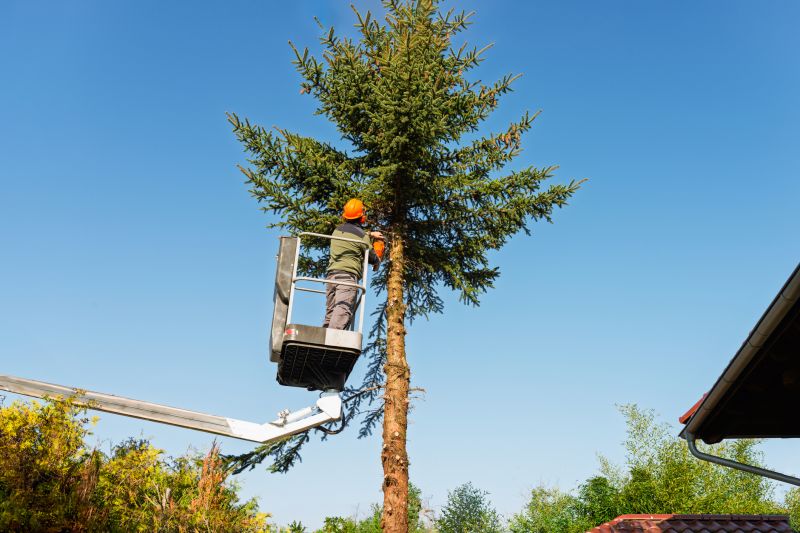
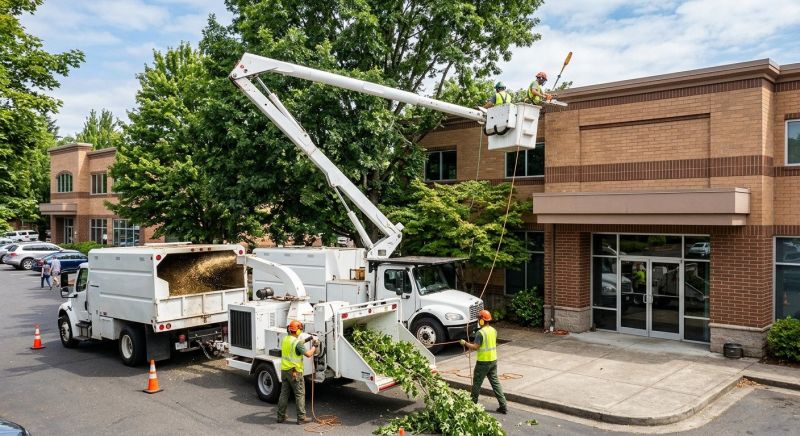
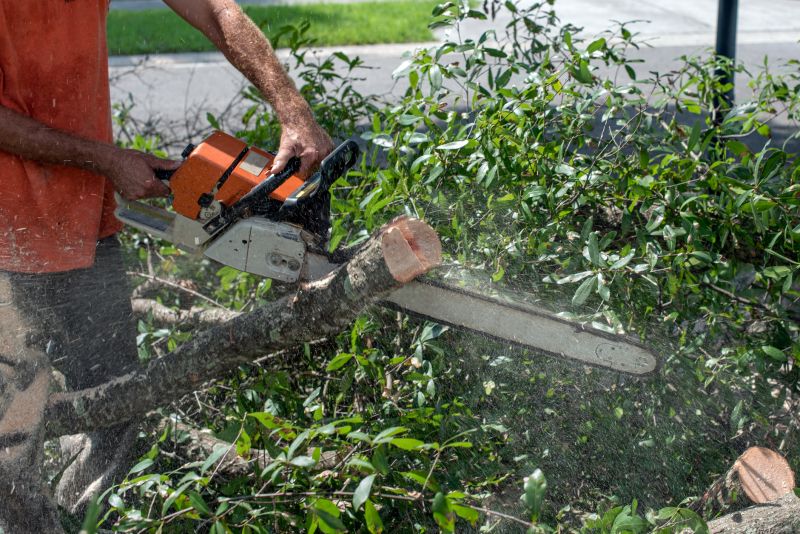
Commercial tree trimming services involve the careful pruning and shaping of trees on residential properties to promote healthy growth, improve appearance, and ensure safety. Projects can range from removing dead or hazardous branches to thinning dense canopies and shaping trees for aesthetic purposes. Property owners typically request this service to maintain the safety of their landscape, prevent potential damage from falling limbs, and enhance curb appeal. Before requesting tree trimming, it’s helpful to understand the types of trees on the property, their health status, and any specific goals for the appearance or safety of the landscape.
Property owners should also consider the timing and scope of the work, as different trees and seasons may require specific trimming techniques. Clarifying whether the project involves routine maintenance or addressing specific concerns, such as storm damage or overgrowth, can help ensure the service meets expectations. Properly trimmed trees can contribute to a well-maintained appearance and reduce risks, making this service a valuable part of property upkeep.
Many property owners in Denver, CO look into Commercial Tree Trimming for repairs, replacements, upgrades, and appearance-related improvements.
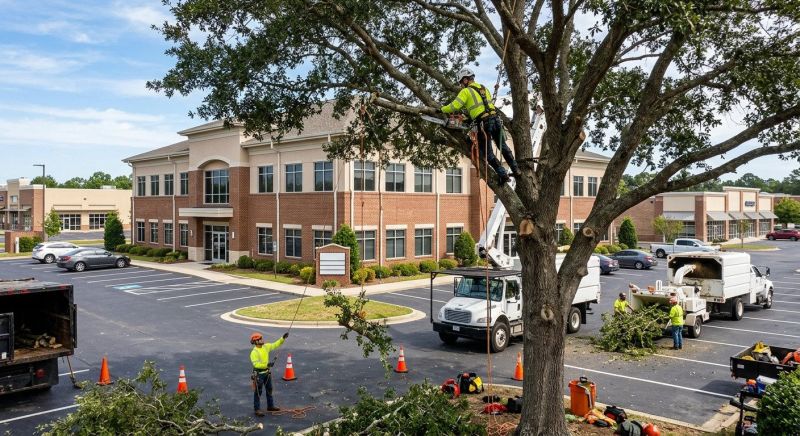
Tree Pruning For Property Safety
Proper trimming reduces hazards caused by overgrown or unstable branches around commercial properties in denver.
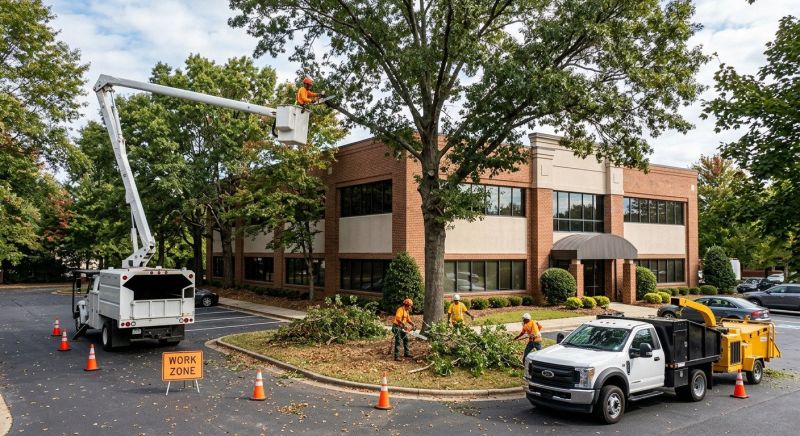
Enhancing Landscape Appearance
Regular trimming maintains a professional and inviting look for business grounds and public spaces.
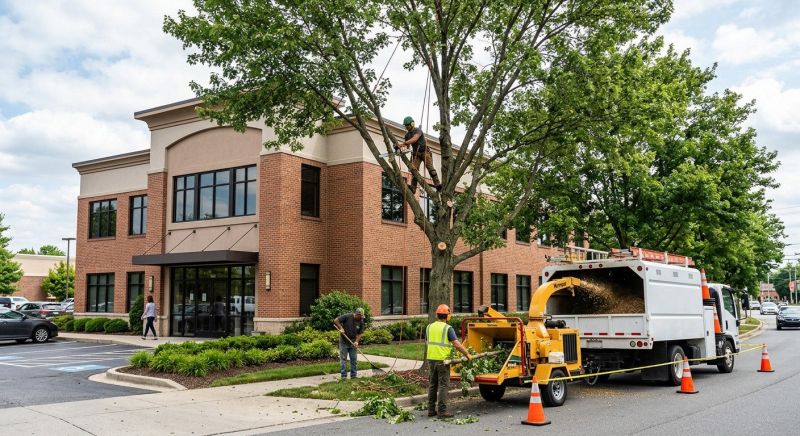
Preventing Structural Damage
Strategic pruning helps protect buildings, power lines, and other structures from potential damage caused by tree growth.
Commercial Tree Trimming in Denver, CO

Commercial tree trimming services involve the careful pruning and shaping of trees on residential properties to promote healthy growth, improve appearance, and ensure safety. Projects can range from removing dead or hazardous branches to thinning dense canopies and shaping trees for aesthetic purposes. Property owners typically request this service to maintain the safety of their landscape, prevent potential damage from falling limbs, and enhance curb appeal. Before requesting tree trimming, it’s helpful to understand the types of trees on the property, their health status, and any specific goals for the appearance or safety of the landscape.
Property owners should also consider the timing and scope of the work, as different trees and seasons may require specific trimming techniques. Clarifying whether the project involves routine maintenance or addressing specific concerns, such as storm damage or overgrowth, can help ensure the service meets expectations. Properly trimmed trees can contribute to a well-maintained appearance and reduce risks, making this service a valuable part of property upkeep.
Many property owners in Denver, CO look into Commercial Tree Trimming for repairs, replacements, upgrades, and appearance-related improvements.
Common Commercial Tree Trimming Jobs
Commercial Tree Trimming - involves shaping and reducing tree height to maintain safety and appearance.
Tree Crown Reduction - reduces the size of tree canopies to prevent interference with structures or power lines.
Deadwood Removal - eliminates dead or diseased branches to improve tree health and reduce hazards.
Structural Pruning - shapes trees to promote strong growth and prevent storm damage.
Emergency Tree Trimming - addresses storm-damaged or hazardous trees to protect property and safety.
Site Clearance - clears trees and branches for new construction or landscaping projects.
Commercial Tree Trimming Questions
What types of trees are suitable for trimming? Most common landscape and ornamental trees in Denver can benefit from trimming to maintain health and appearance.
Why is regular tree trimming important for commercial properties? It helps prevent hazards, promotes healthy growth, and enhances the overall aesthetic of the property.
Can trimming improve the safety of trees near buildings? Yes, removing weak or overhanging branches reduces the risk of damage or injury.
What is the best time of year to schedule commercial tree trimming? Trimming is typically done during dormancy periods, often in late winter or early spring, for optimal health and growth.
Request Commercial Tree Trimming in Denver, CO
Use the quote form on this page to share the basics of your project and request more information for the type of work you need.